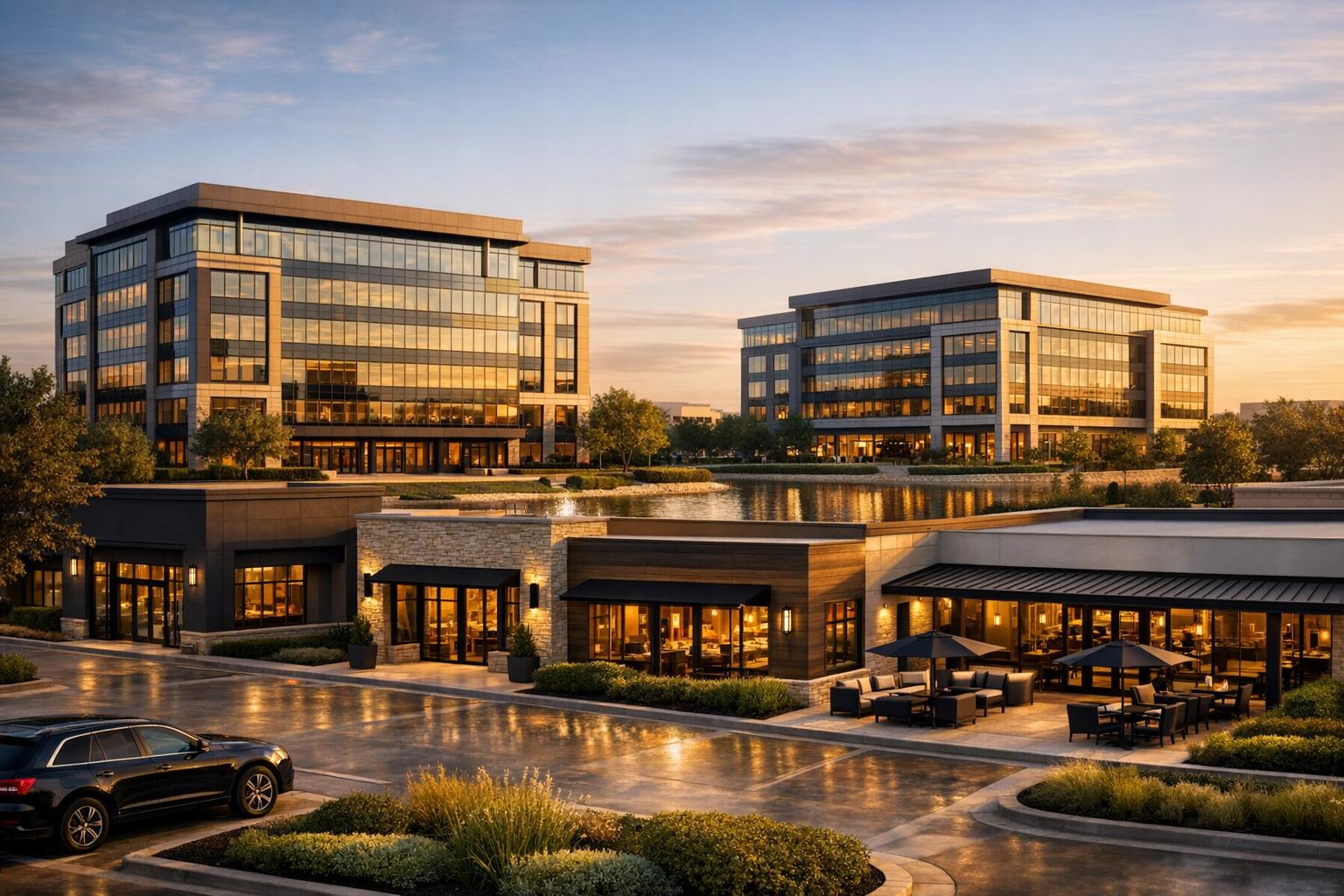
Guide focusRetail Real Estate
Retail real estate starts with the customer path / Landlords need a tenant mix strategy / Retail leases require practical detail
Retail real estate starts with the customer path
Retail users need visibility, access, parking, signage, traffic patterns, co-tenancy, delivery access, and a location that supports how customers actually shop.
RJ Williams & Company helps retail clients compare the property against the customer experience.
Landlords need a tenant mix strategy
Retail landlords should think about complementary uses, traffic drivers, exclusives, parking demand, signage rights, operating expenses, and buildout expectations.
The right tenant mix can protect the property and strengthen the leasing story.
Retail leases require practical detail
Retail leases often involve signage, permitted use, exclusives, CAM charges, opening obligations, maintenance, hours, assignment rights, and improvement plans.
Those terms need to match both the business and the property owner’s long-term plan.
Does RJ Williams & Company work with commercial real estate clients?
Yes. RJ Williams & Company supports commercial buyers, sellers, landlords, tenants, investors, and business owners across Dallas-Fort Worth and North Texas.
Who should I talk with about commercial real estate at RJ Williams?
Nate Galata leads commercial real estate guidance for RJ Williams & Company, with support from the broader brokerage team for search, marketing, transaction coordination, and local market context.
Why is co-tenancy important in retail real estate?
Co-tenancy can affect customer traffic, brand fit, parking demand, lease value, and whether neighboring businesses help or hurt the tenant’s customer base.
What should restaurants review before leasing space?
Restaurants should review grease trap, vent hood, utilities, patio rules, parking, signage, alcohol restrictions, occupancy, permitted use, delivery access, and buildout cost.
What is an exclusive use clause?
An exclusive use clause can restrict a landlord from leasing nearby space to a direct competitor, but the exact protection depends on lease language and should be reviewed carefully.
Why can restaurant buildout be expensive?
Restaurant buildout can require plumbing, electrical, HVAC, grease systems, venting, fire suppression, permitting, equipment, and finish work that goes far beyond a basic retail shell.
What should retailers compare before choosing a site?
Retailers should compare visibility, traffic, customer access, parking, signage, co-tenancy, demographics, delivery access, rent structure, buildout needs, and lease restrictions.